
Skip to content
Shri Govind Devji Gems

Exquisite Certified Gemstones

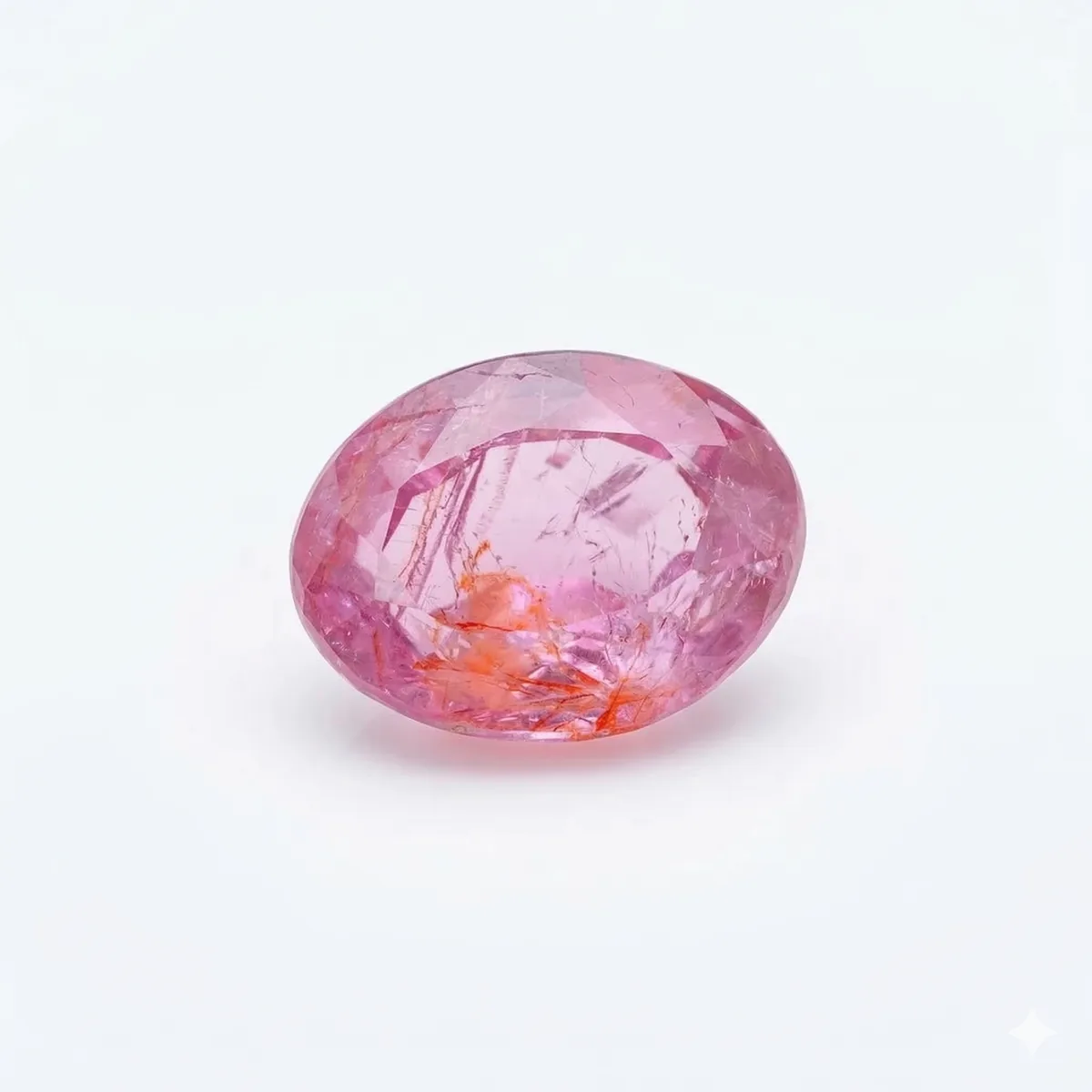
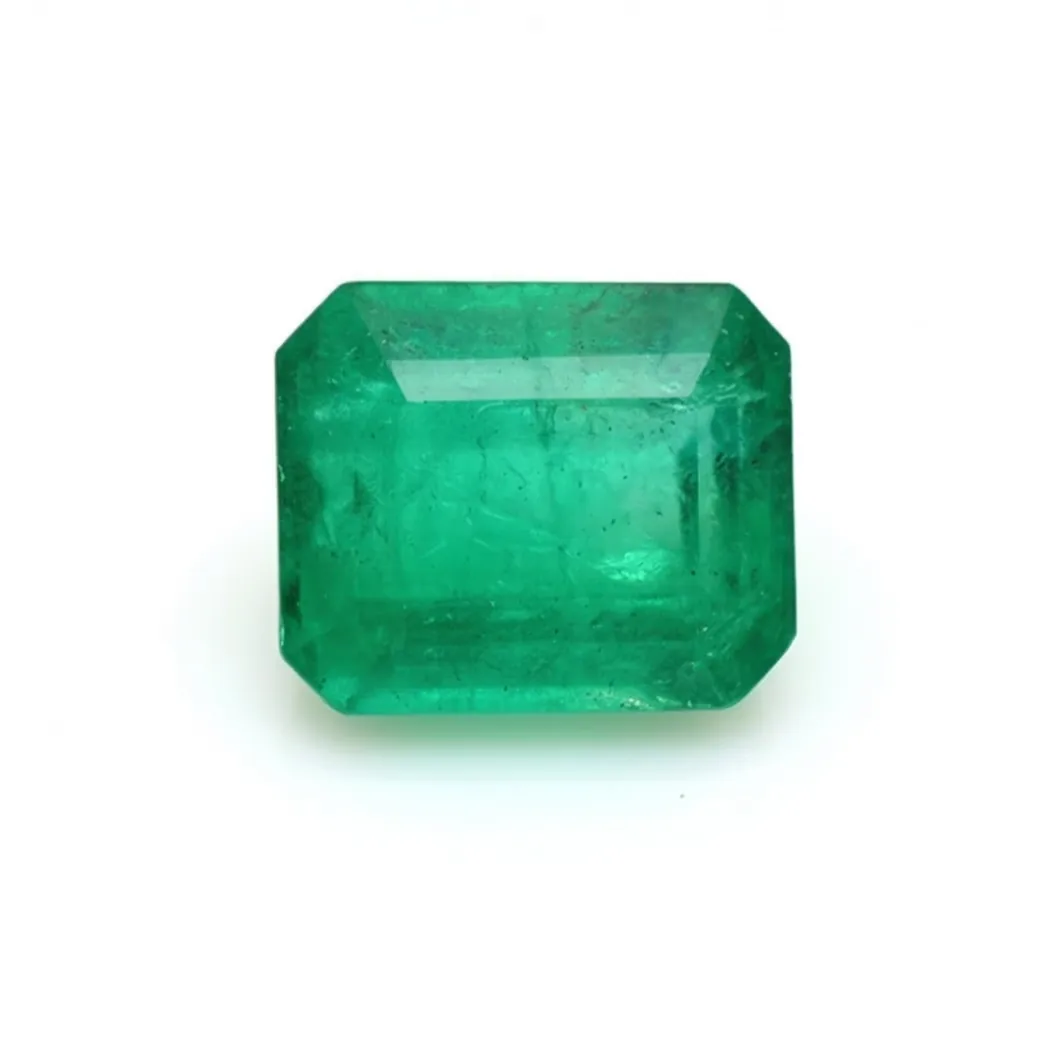
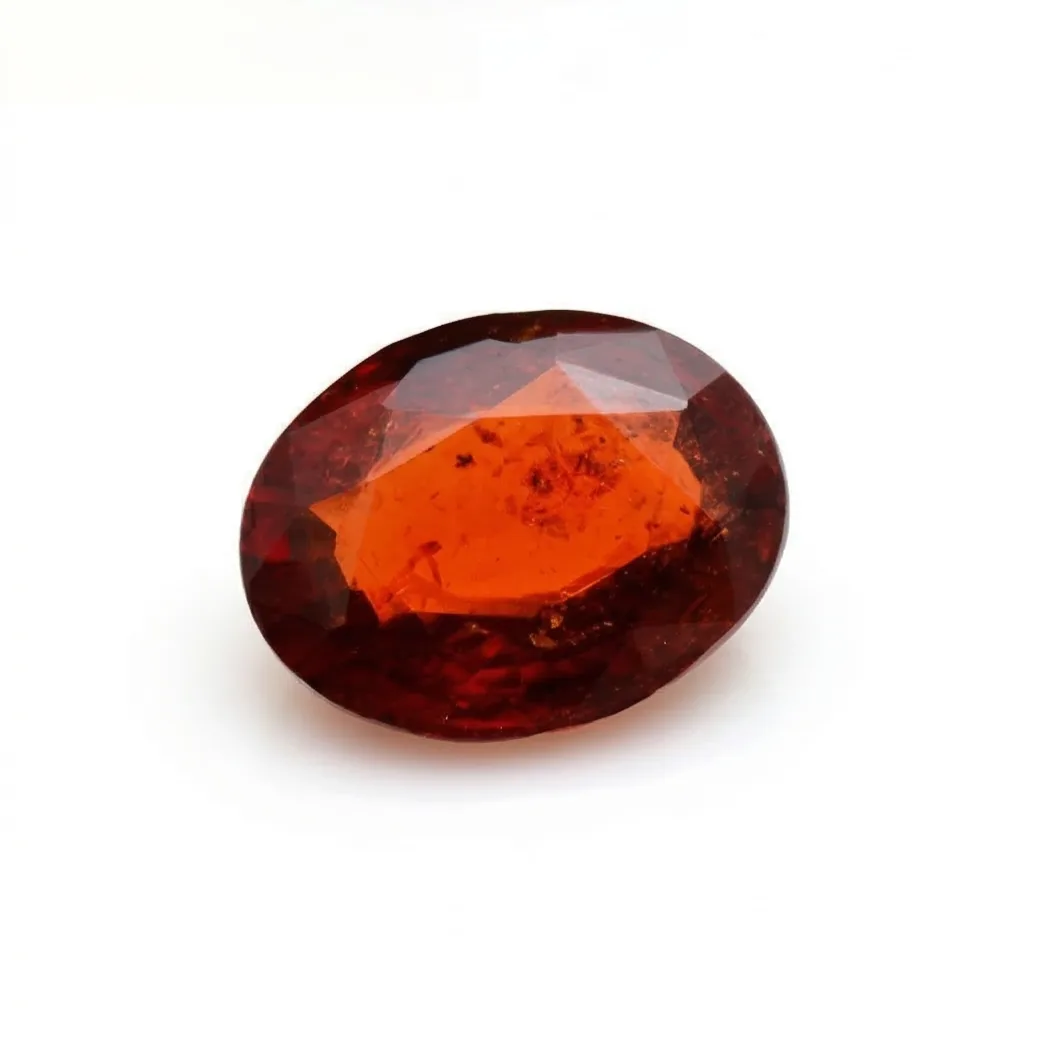
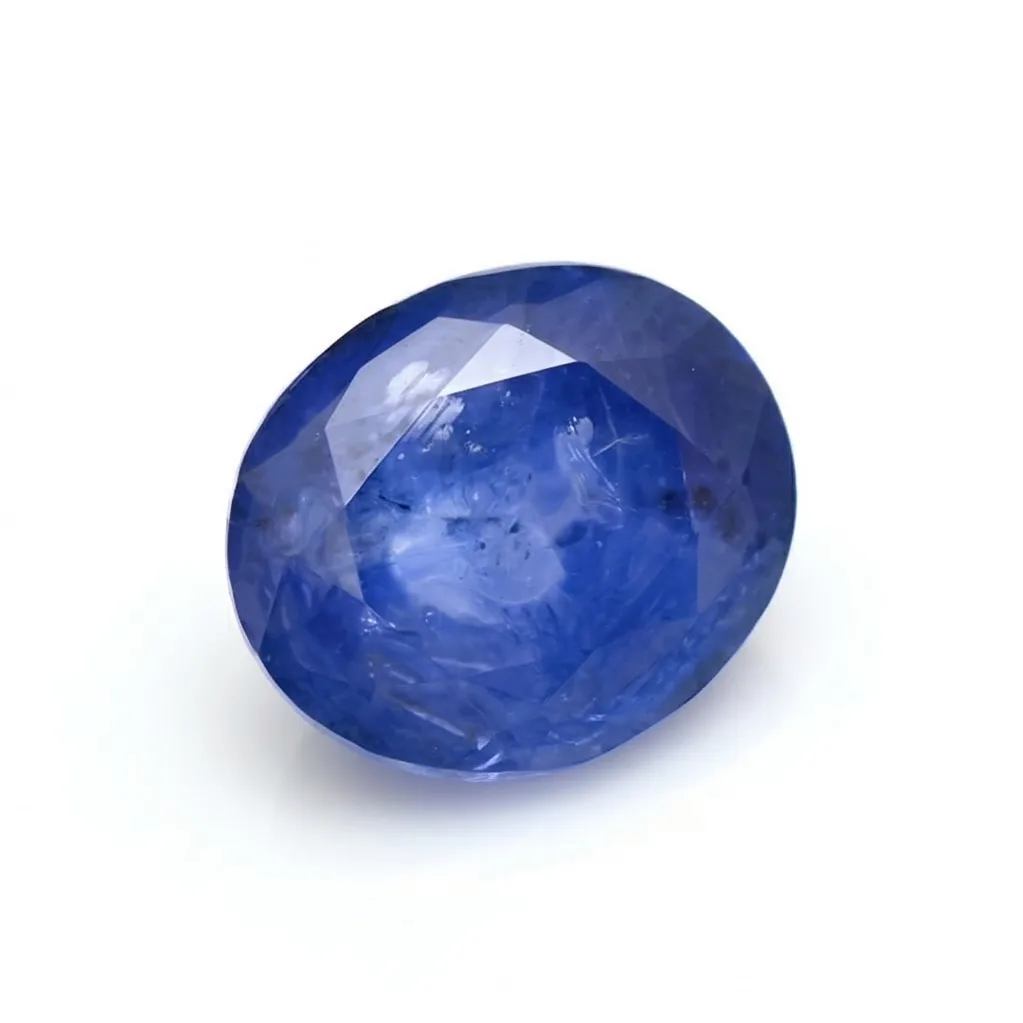
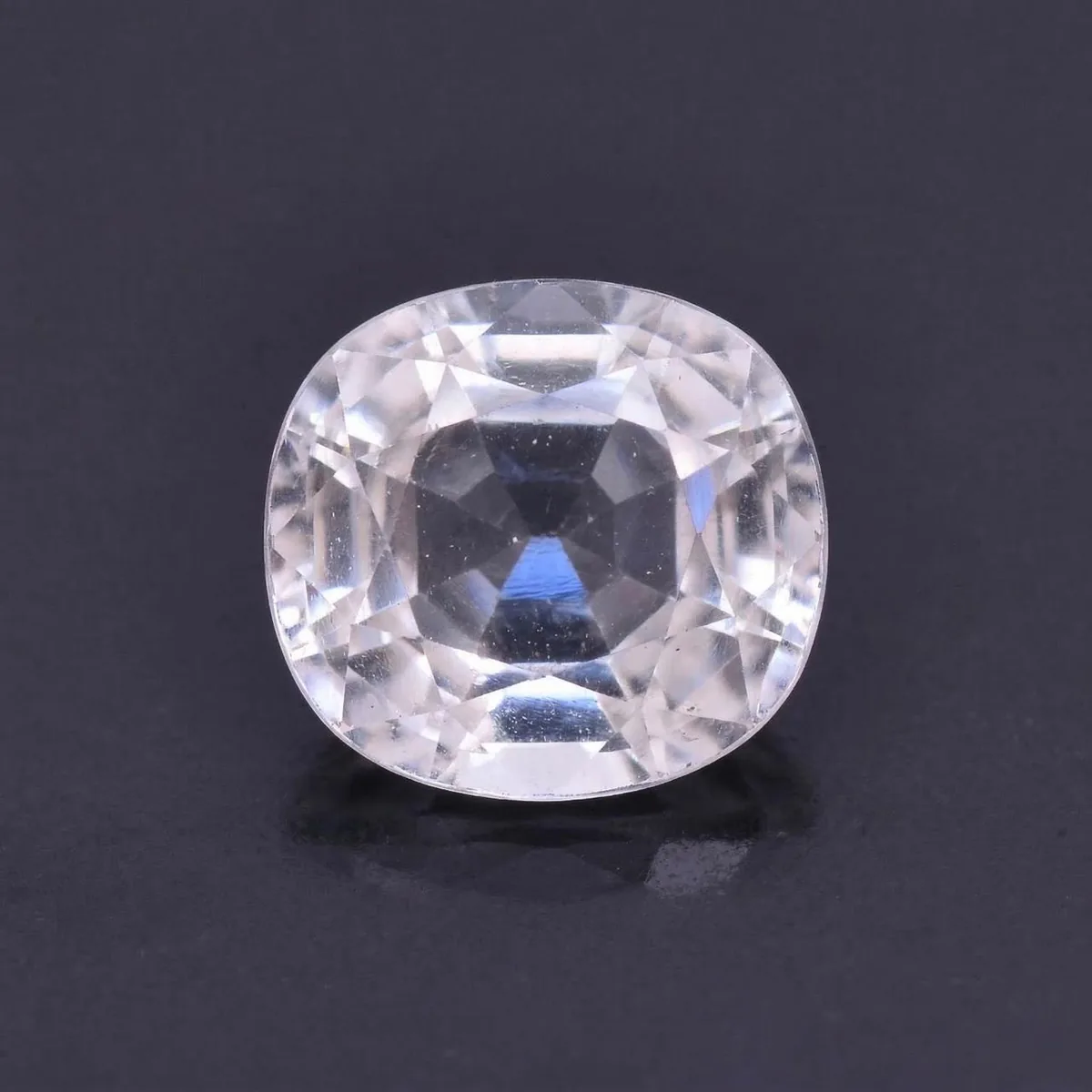
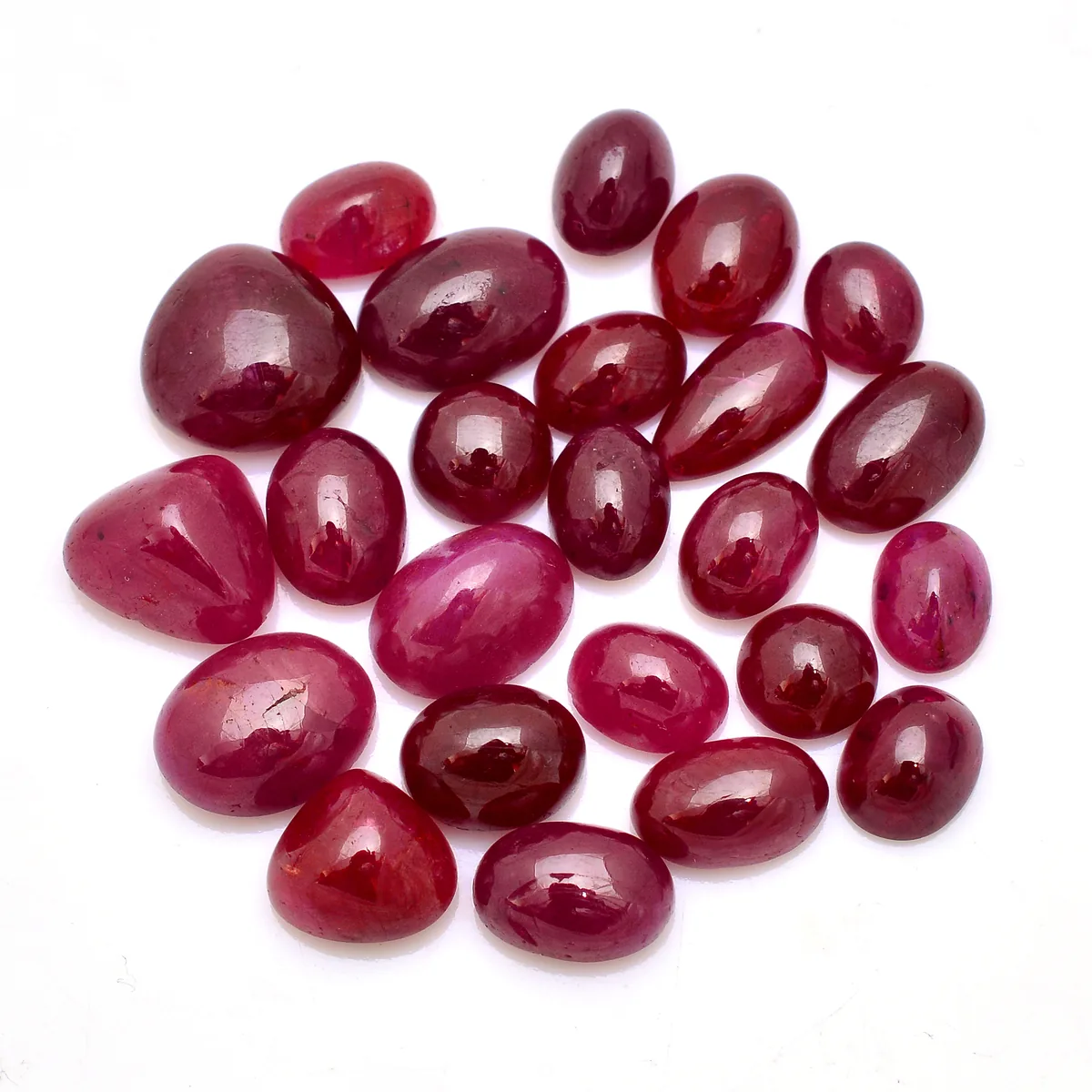
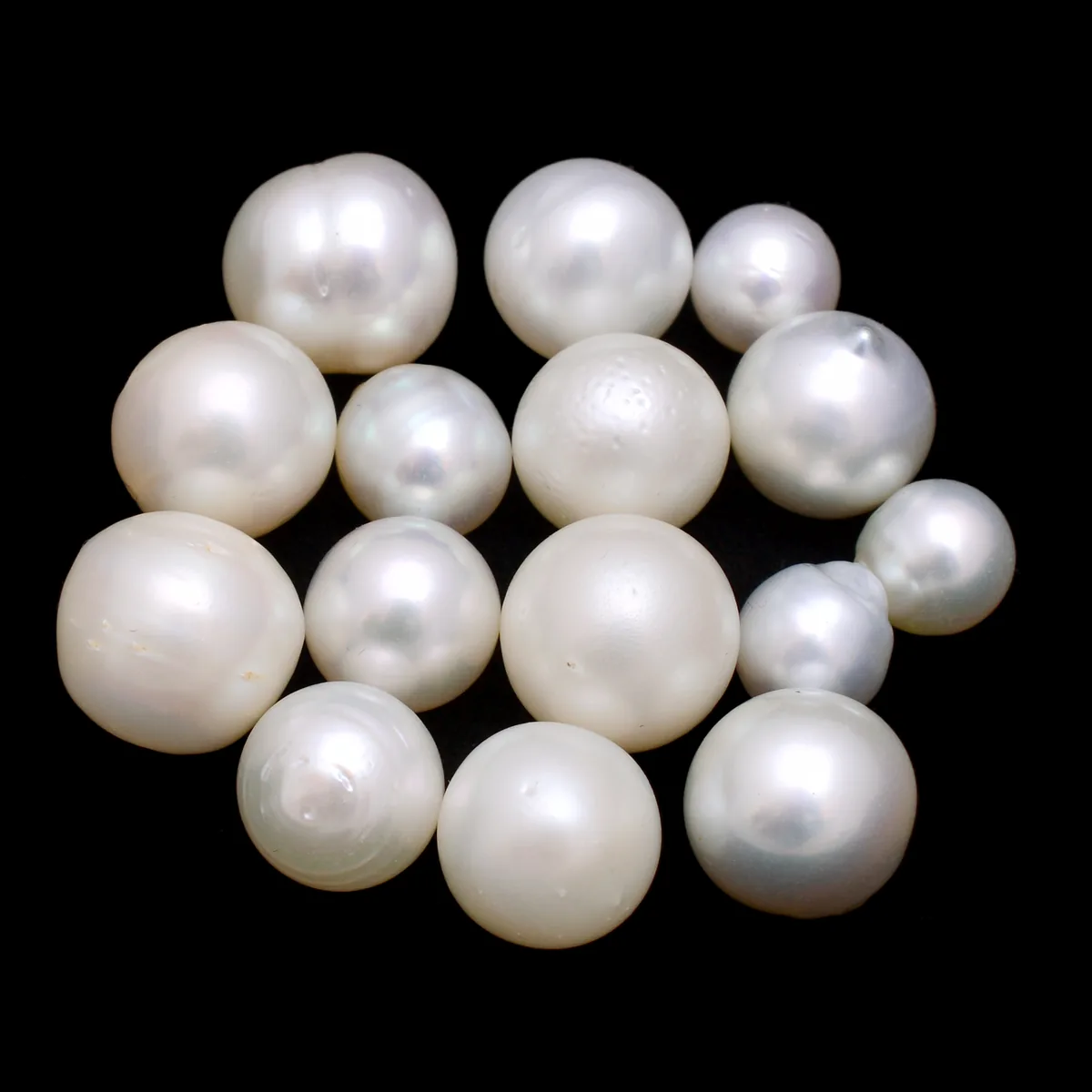
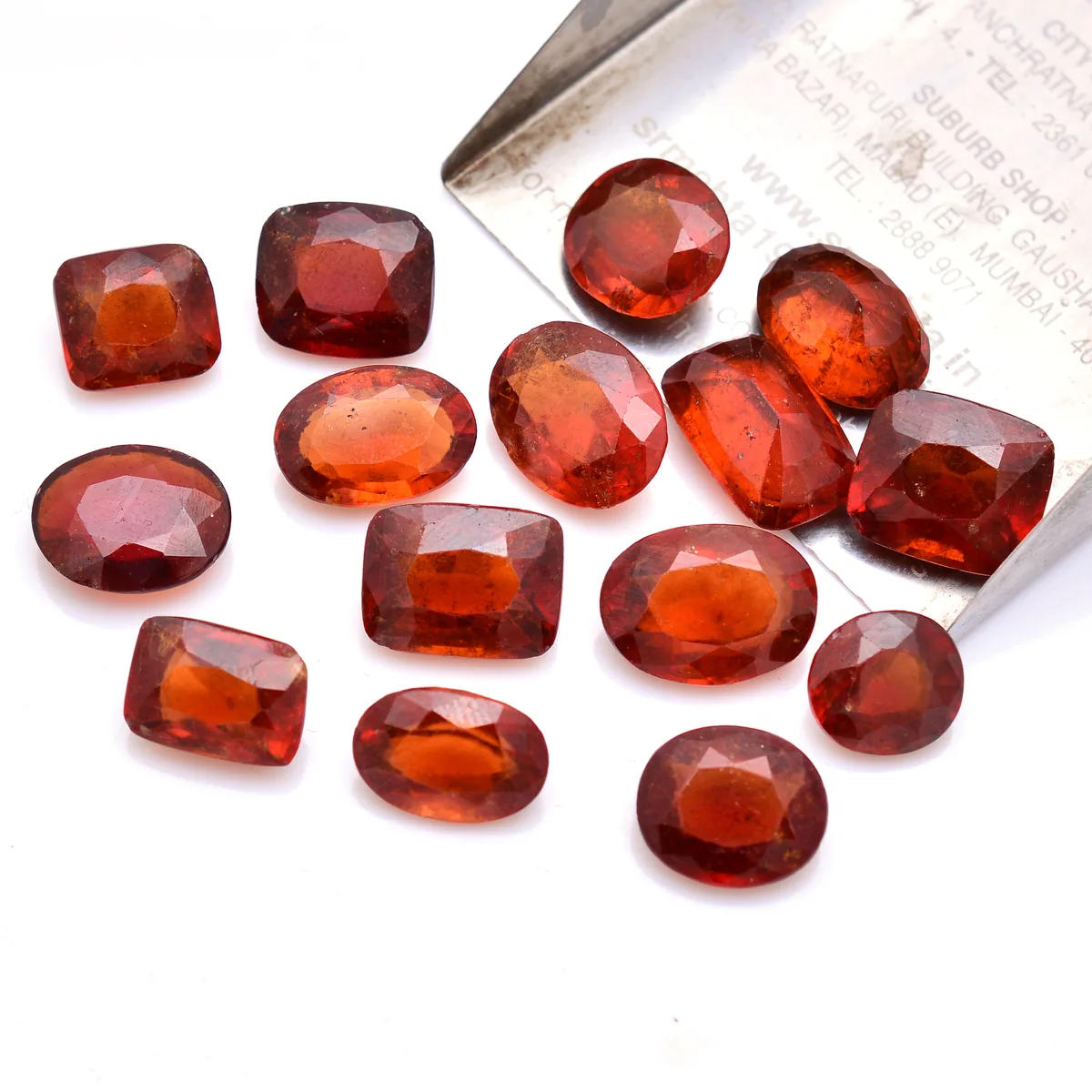
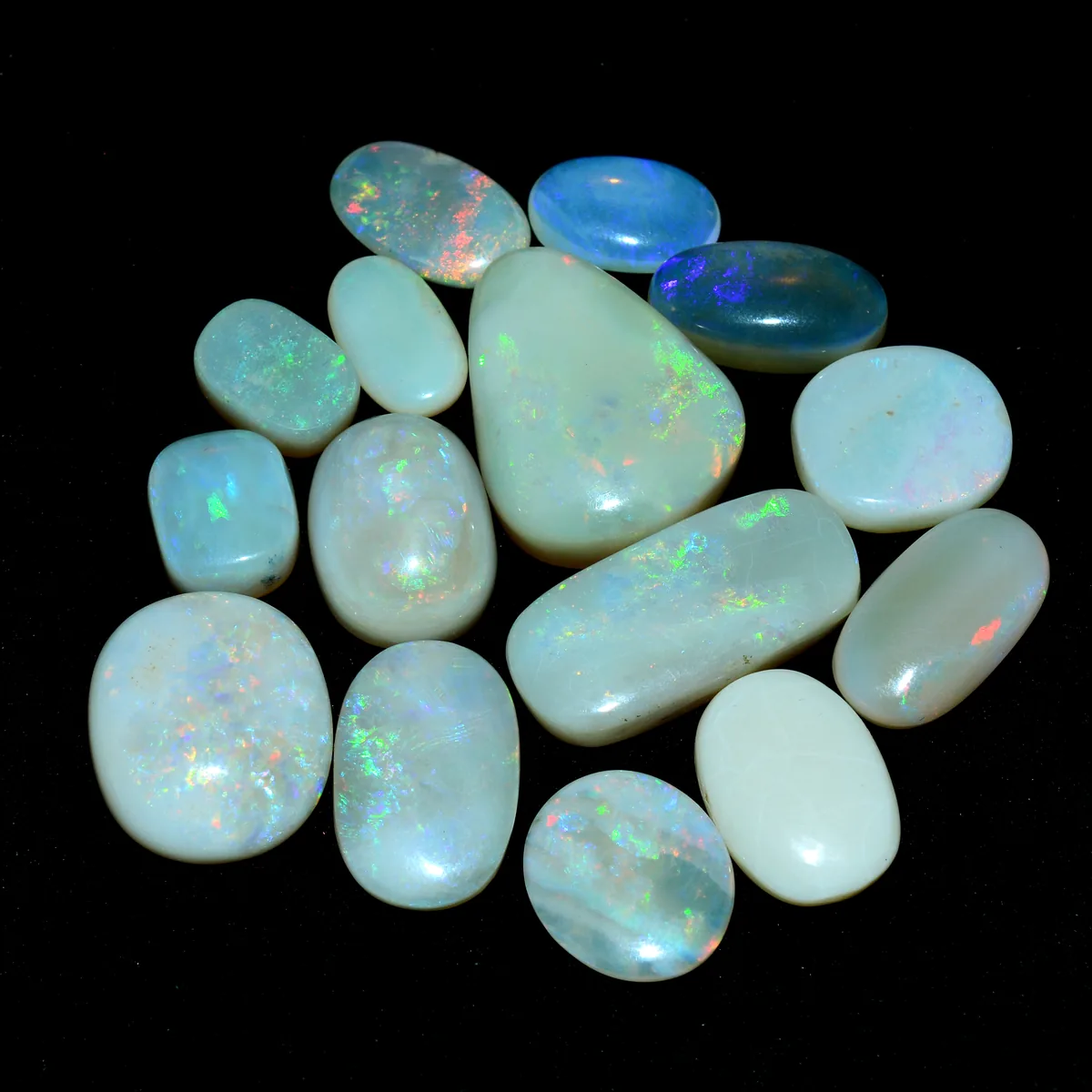
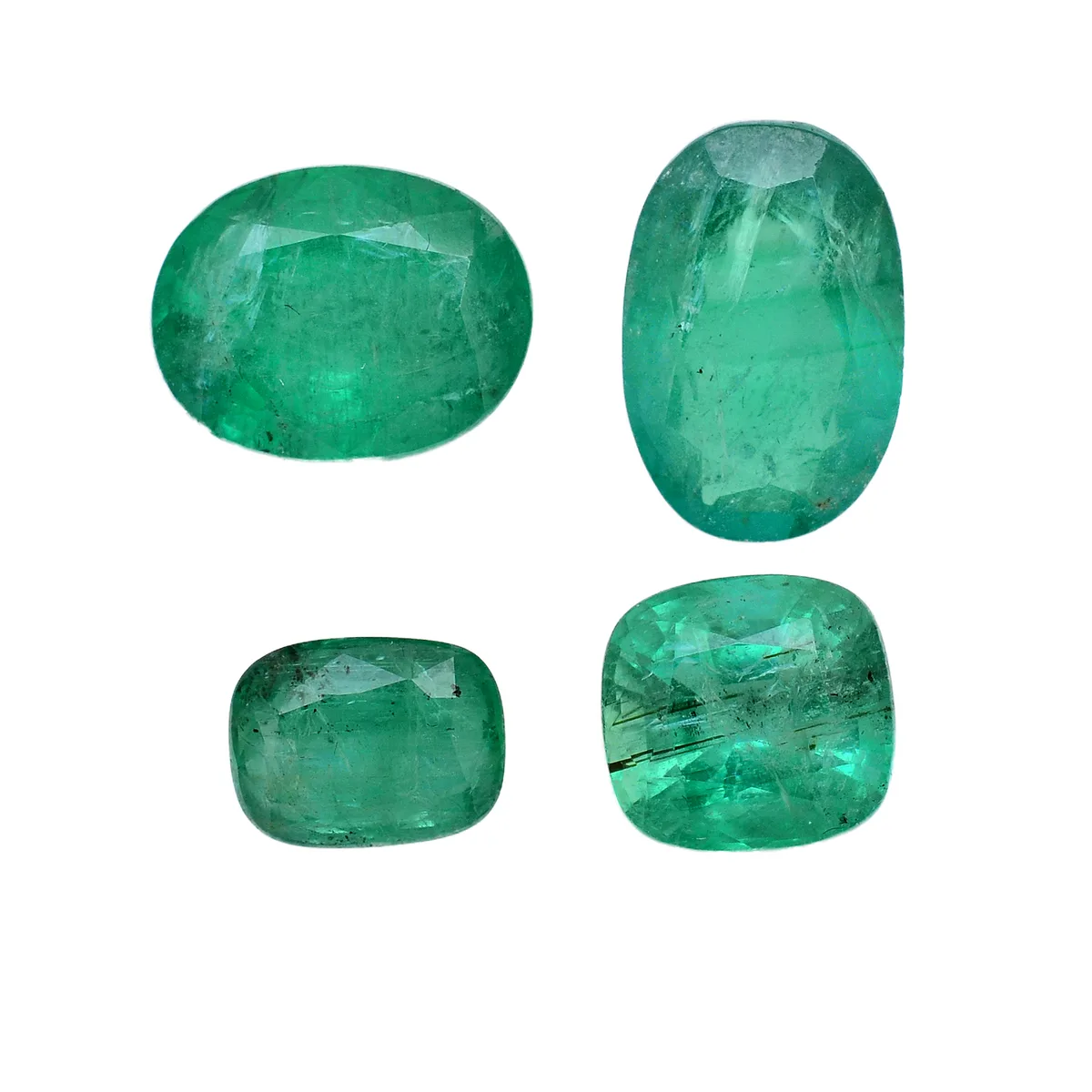
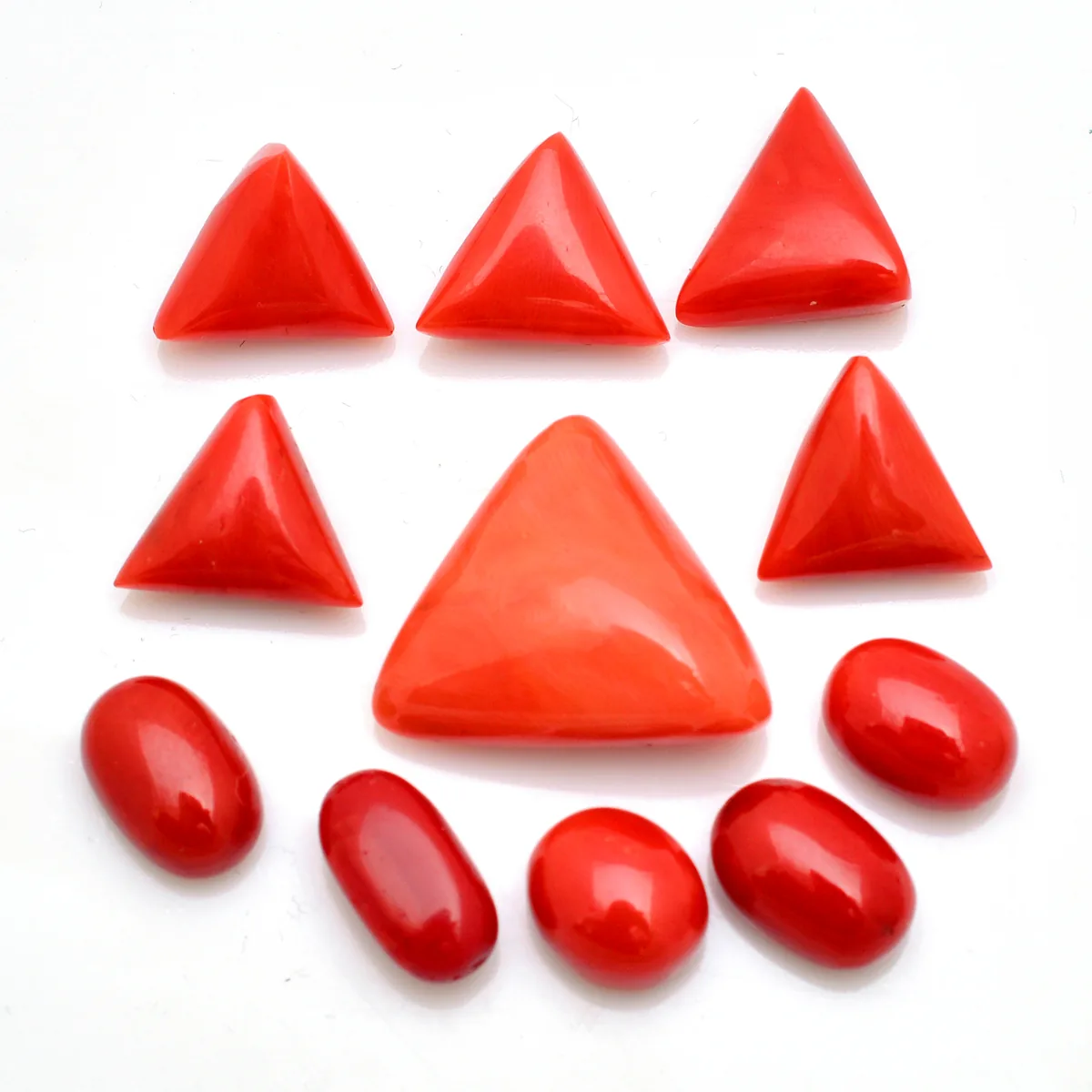
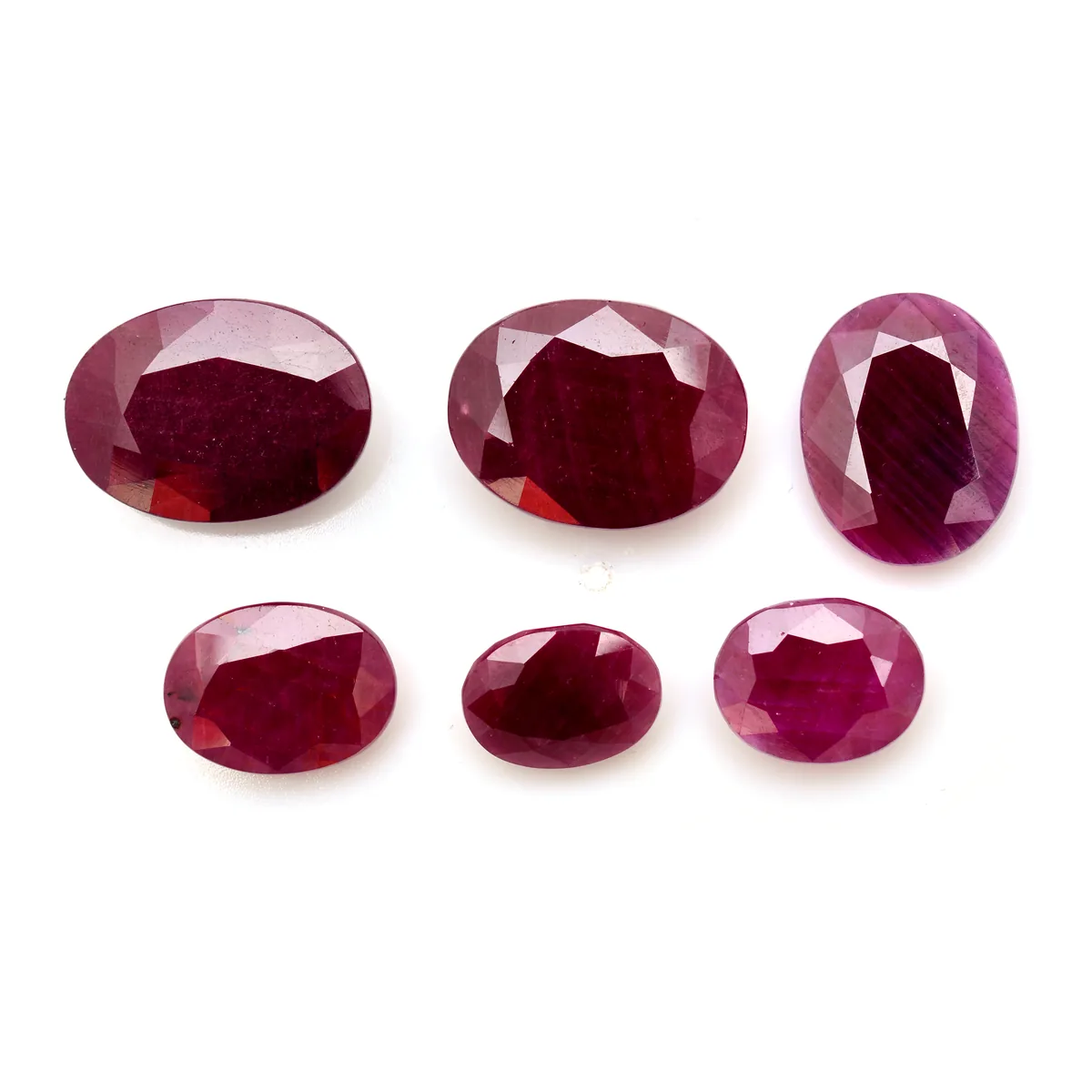
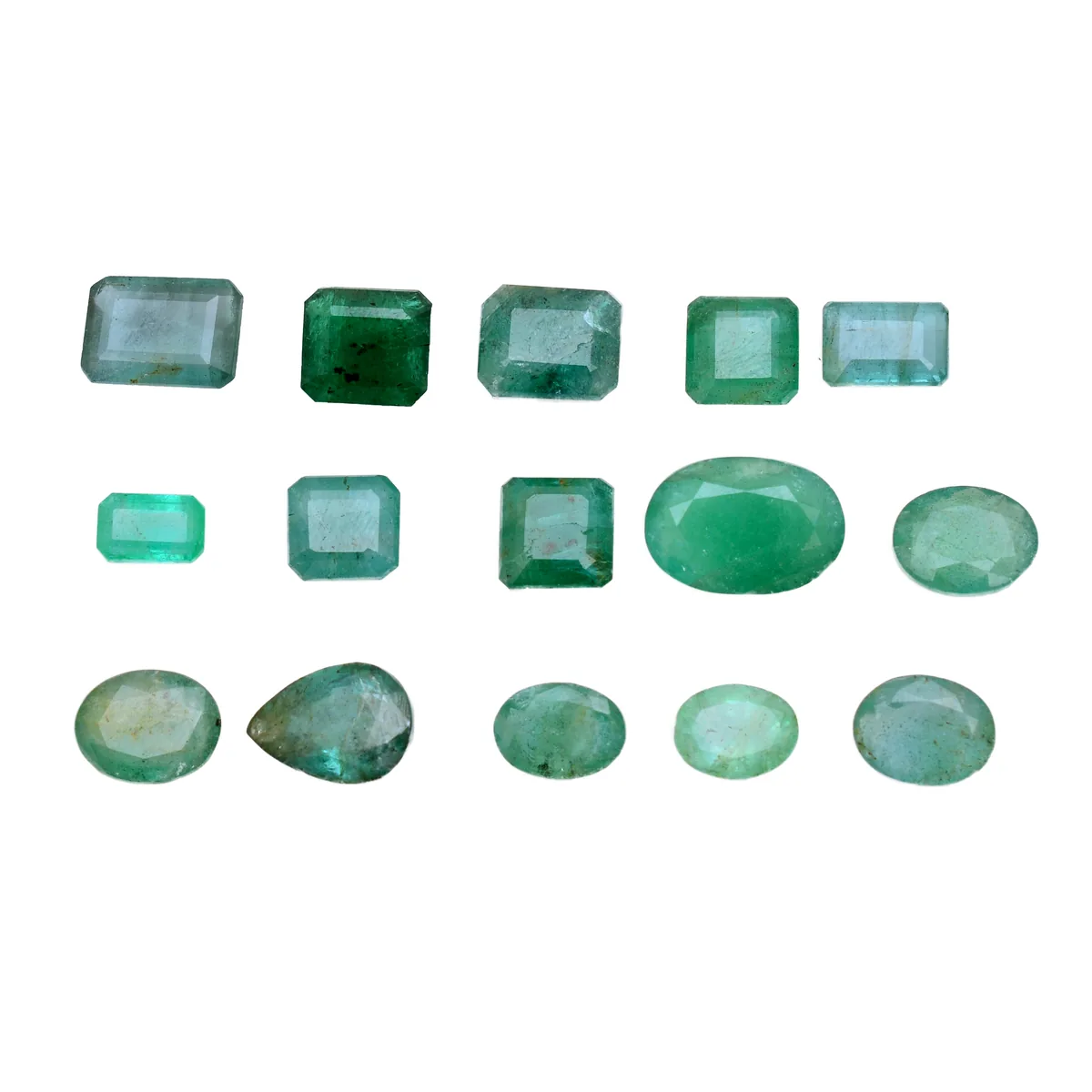
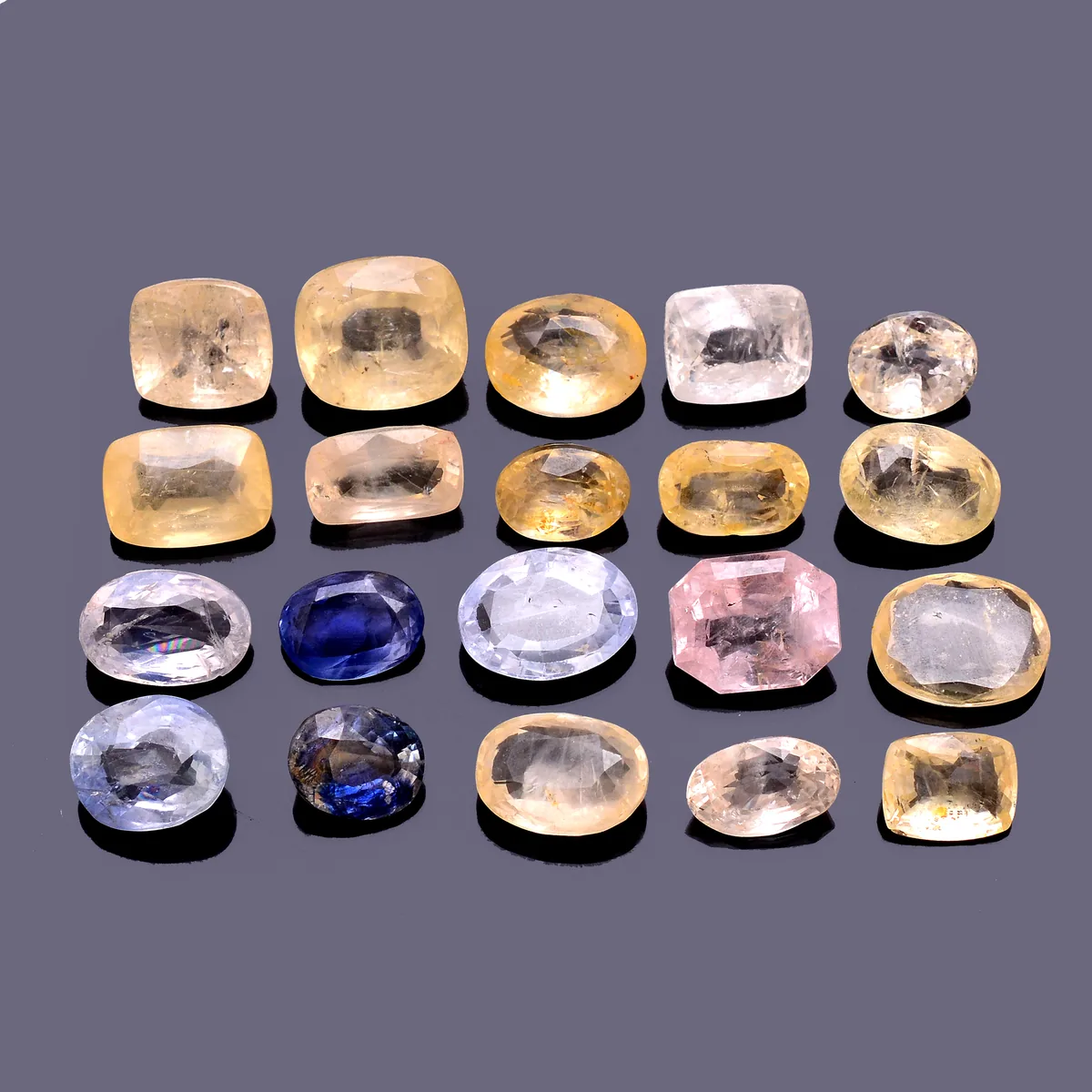
18 stones currently on the counter in Johari Bazaar. Every stone here is sold loose, with its weight and treatment stated on its own page and the grading laboratory named wherever a report is held. What follows the catalogue is the general framework: how a coloured stone is priced, what a treatment disclosure has to say, and how to read the report you are handed.

Guidance specific to a material sits on that stone’s Navratna page, and guidance specific to a listing, meaning its deposit and its weight band, sits on the listing itself.

Browse by planetary stone

If you have been advised to wear a particular stone, start with its guide. Each one covers what the material is, what gets sold in its place, and what we hold on the counter today.

How to buy a coloured stone

This is the part that applies to every stone on this page, whatever it is and wherever it came from. It is the same advice we would give you across the counter, and it is deliberately the advice a buyer needs rather than the advice that sells a stone.

What actually moves the price

A coloured stone is not priced the way a diamond is. Diamond grading is a near-universal scale where colour and clarity are read off a chart, and two stones with the same four grades are close to interchangeable. Coloured stones have no such scale, and the trade prices them on colour first, by a long distance. Within colour, what is being judged is hue, how pure the colour is; saturation, how strong it is; and tone, how light or dark. A ruby can be unambiguously red and still be worth a tenth of another ruby because its saturation is weak or its tone has gone towards brown.

Clarity comes second, and what counts as good clarity is different for every species. Emerald is expected to contain visible inclusions and is graded on a scale that assumes them. Sapphire and ruby are expected to be eye clean at commercial grades. A pearl is judged on nacre and lustre and not on clarity at all. Applying a diamond buyer’s instincts across species is the most common and most expensive mistake we watch people make.

Cut, carat and origin follow. Cut matters more than most buyers expect, because a stone cut for weight retention rather than for light return will look dull no matter how good the rough was. Weight is not linear: price per carat steps up at the sizes where good rough becomes scarce, so a single five carat stone is worth considerably more than five one carat stones of the same quality. Origin matters where it correlates with a real gemmological difference, and is worth nothing where it does not.

Treatment is the disclosure that matters

Almost every category of coloured stone has an accepted treatment, and there is nothing wrong with a treated stone that is sold as one. Sapphire and ruby are heated, which is permanent, universal and priced in. Emerald has its fissures filled, which is expected and graded on a scale from none to significant. What is not acceptable is a treatment that goes undeclared, and what is worse is a treatment described in words vague enough to cover two very different things.

The word to watch is treated. Heated and diffused are both treatments and they are not remotely the same: heat improves what the stone already has, while lattice diffusion drives colour into it from the surface, and diffused material is worth a fraction of heated material. Oiled and resin filled are both fillings, but oil can be redone by any workshop and hardened resin cannot be removed without risk. Dyed, stabilised and reconstituted are all things done to coral, and only one of them still leaves you with a solid piece of coral.

Ask which treatment, not whether. Then ask for the answer to appear on the invoice in the same words it appears in on the page. That is the part that actually binds a seller, and it is why every listing on this site states its treatment in plain language whether the news is good or not.

How to read a laboratory report

A grading report identifies a stone and describes it. It is not a valuation, it is not a guarantee, and a report from a laboratory nobody has heard of is not worth the paper. In India the reports that carry weight are from IGI, IIGJ and the Gem Testing Laboratory in Jaipur; internationally, GIA, SSEF, Gubelin and AGL. A report from any of them will name the species, state the weight and dimensions, and have a treatment section that is filled in. To be plain about our own stock: the reports we hold are IGI and IIGJ, they are named on the listings that have them, and every other listing says it has none rather than borrowing a laboratory’s name.

Check three things every time. First, that the weight and measurements on the report match the stone in your hand, because a report and a stone are two separate objects and swapping one for another is the oldest trick in the trade. Second, that the treatment section says something rather than being blank or omitted, since a report that declines to comment on treatment has told you nothing about the most price-sensitive fact there is. Third, that the report number verifies on the laboratory’s own website rather than only in the seller’s folder.

Origin determination is a separate and much harder exercise than identification, and only a few laboratories offer an origin opinion at all. An origin claim on a report from a laboratory that does not do origin work is not an origin claim.

Single stones and parcels are bought differently

A single stone is bought on its own merits and there is nothing to average. What you are looking at is what you get, so the time goes into judging that one stone properly: its colour under more than one light, its clarity from the side as well as face up, and whether its cut is returning light or hiding weight in the pavilion.

A parcel is bought to select from, and the selection is the whole point. Weight, colour and clarity vary across a parcel by definition, so the useful question is never what the parcel averages but what its best six stones look like next to each other. If you are matching to something you already own, bring it or send a photograph, because a parcel selected against a real reference and a parcel selected against a description are two different parcels. Expect to take fewer stones than you look at.

One rule applies to both: any treatment disclosure has to cover every stone in the lot, not the piece you were handed. That is the disclosure most often narrowed without anyone noticing, and it is worth asking for explicitly.

Hardness, and what a stone can take

Hardness on the Mohs scale describes resistance to scratching and nothing else, and it is not linear. Corundum at 9, which covers ruby and every sapphire, is far closer to quartz at 7 than it is to diamond at 10. Ordinary household dust contains quartz, which is why anything below 7 will slowly go dull if it is worn daily and never protected.

Toughness is a separate property and often the one that matters more. Emerald is hard at 7.5 to 8 but is riddled with fissures, so it is far less tough than the number suggests and should never go near an ultrasonic or steam cleaner, both of which strip its filling. Opal contains water and can craze if it meets sudden heat or very dry storage. Pearl and coral are both attacked by acid, including perfume and sweat, so they go on last and come off first. Garnet has no cleavage and takes a knock well for its hardness.

Warm water, mild soap and a soft brush are safe for every stone in this catalogue except pearl and coral, which want nothing more than a damp cloth. When in doubt, ask us before you clean it rather than after.

Written by Kamal Kishore Agarwal, founder and gemmologist, who holds a Gem-A Diploma in Gemmology with Merit and has bought stones in Johari Bazaar since 2008. If something here contradicts what you have been told elsewhere, bring it up with us: we would rather have the argument before the sale than after it.