Most rubies on the market are heat treated to improve colour. Unheated stones are far scarcer and carry a significant premium, so the certificate should state the treatment explicitly rather than leaving it blank. Check that the report names the lab, the stone weight and the treatment, and that the weight on the report matches the stone you are shown.
What ruby actually is
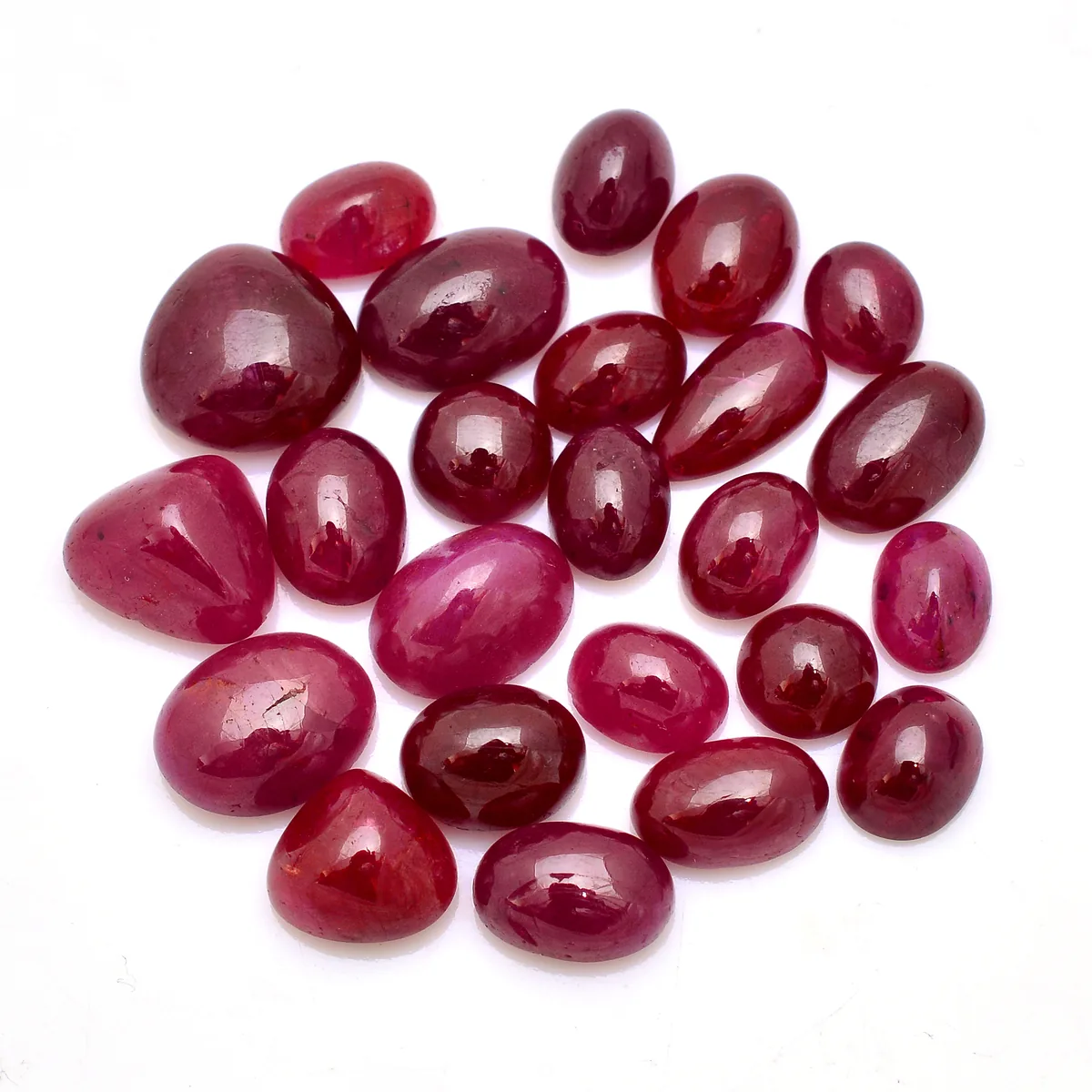
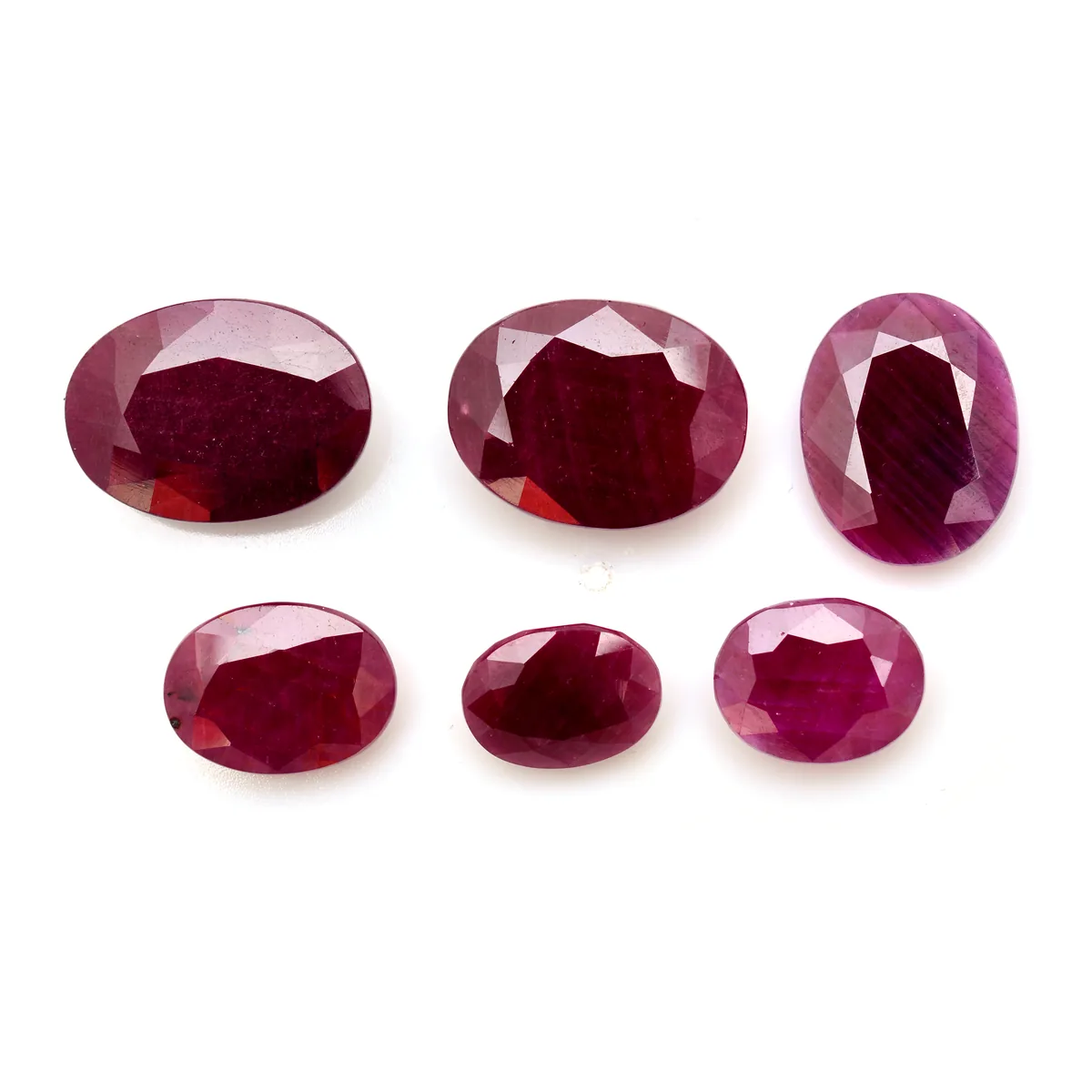
Ruby is red corundum, the same mineral as sapphire, coloured by chromium. Colour carries most of the value: the reference is a saturated red with a faint blue undertone, called pigeon blood in the trade, and material from the Mogok valley in Burma remains the benchmark against which everything else is priced. Fine rubies also come out of Mozambique and Madagascar, and a good African stone will outrank a mediocre Burmese one.
What gets sold as Manikya instead
Red spinel is the substitution with the longest history, and it is not a modern fraud: several of the most famous rubies in the European crown jewels turned out to be spinel once the two were properly separated in the nineteenth century. Spinel is a fine stone in its own right and is sold honestly as spinel by anyone reputable. Below that sit almandine and pyrope garnet, rubellite tourmaline, and glass, all of which reach a plausible red. Two others are more serious. Flame fusion synthetic ruby has been manufactured since 1902, costs almost nothing, and is common in the astrological trade because it looks better than the natural material at the same price. Lead glass filled corundum is natural ruby whose fractures have been filled to fake clarity, and it is the one to watch for in anything sold cheaply as Burmese.
What to look for, and what to ask
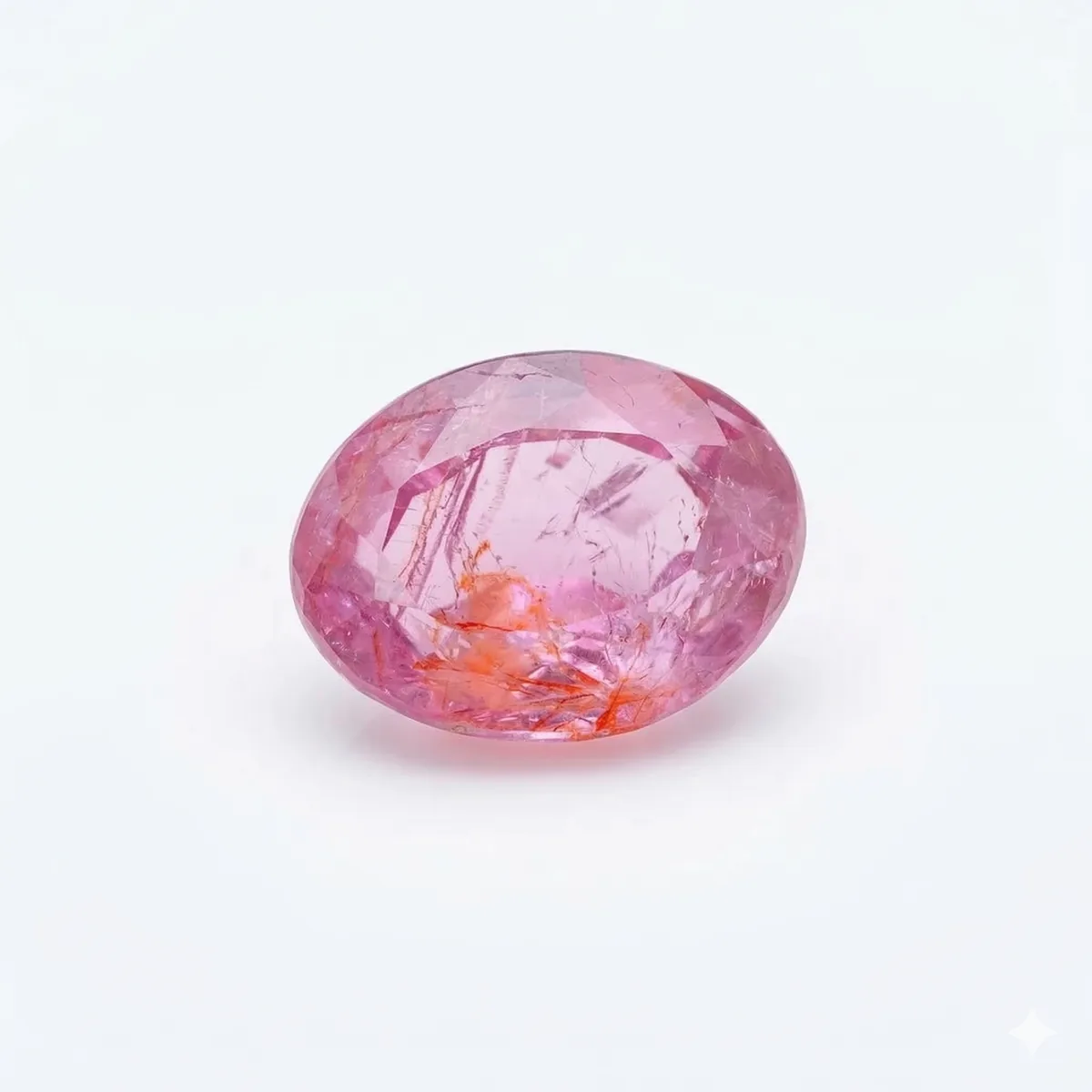
Ask what has been done to the stone before you ask anything else. Most rubies on the market are heated, which is accepted and disclosed. Lead glass filled ruby is a different matter: it is corundum whose fractures have been filled with high-lead glass, it is worth a fraction of what an untreated stone is worth, and it can be damaged by ordinary jeweller’s heat. Under magnification, look for the silk of fine rutile needles that survives in unheated material, and for flash effects along fractures that suggest filling.
Weight, and what it costs in this stone
Ruby is among the most expensive of the nine per carat, and the price curve steepens rather than rising evenly, so each additional carat costs disproportionately more than the last. That is why buyers working to a prescribed weight in Manikya usually end up choosing which quality to give up: origin, heat treatment, or clarity. Our advice is to give up origin first and treatment last, because a disclosed heated stone of good colour is honest goods while an undisclosed treatment is not. Settle the ratti convention with whoever gave you the number before you shop, since the two in common use differ by close to a third.
Wear and care
Corundum is 9 on the Mohs scale, second only to diamond, so it takes daily wear better than almost anything else you could set. It is still brittle along a hard knock, and a stone with a reaching fissure should stay out of an ultrasonic cleaner. Warm water, mild soap and a soft brush are enough.
As practised in Vedic tradition. Your astrologer’s instruction takes precedence over any general rule.