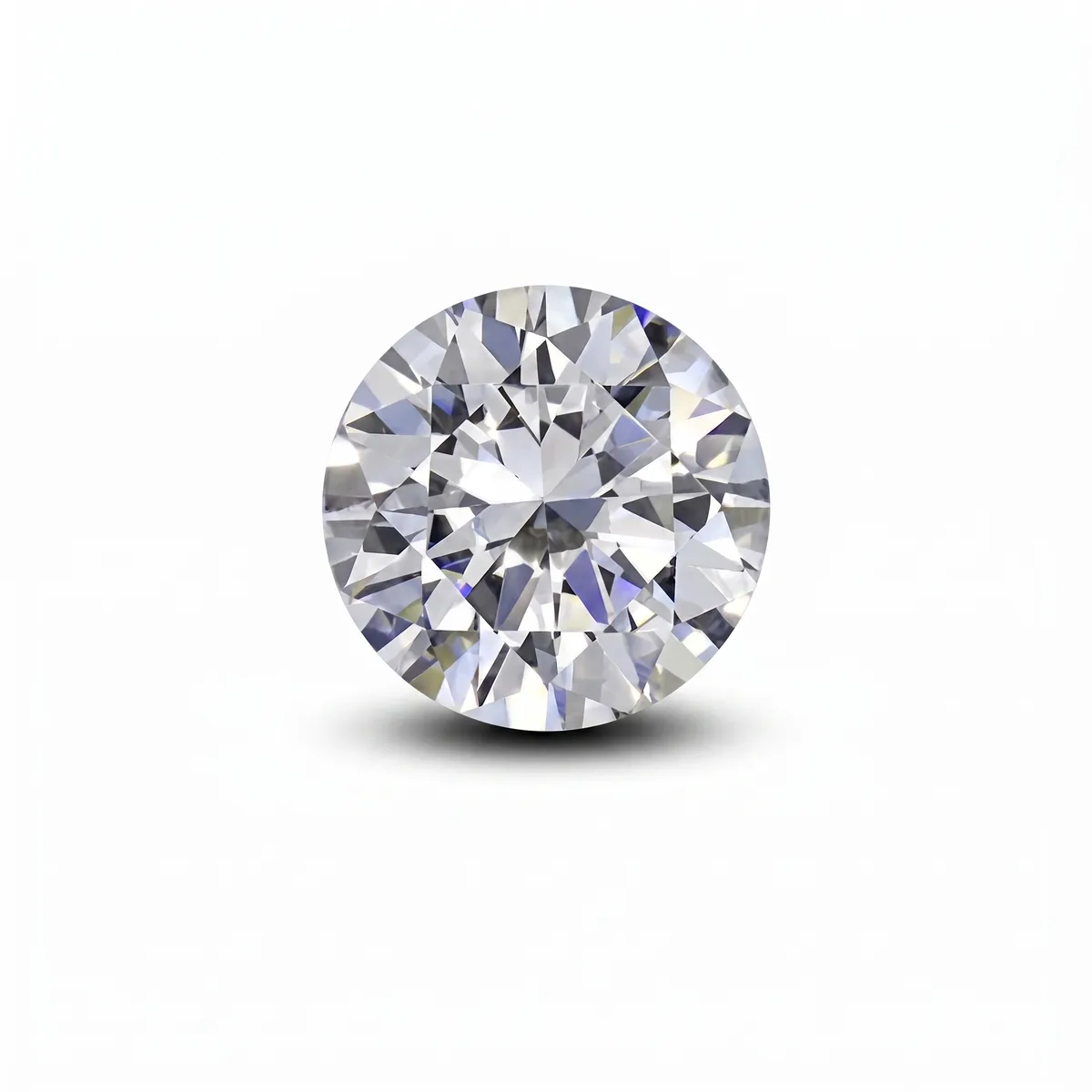
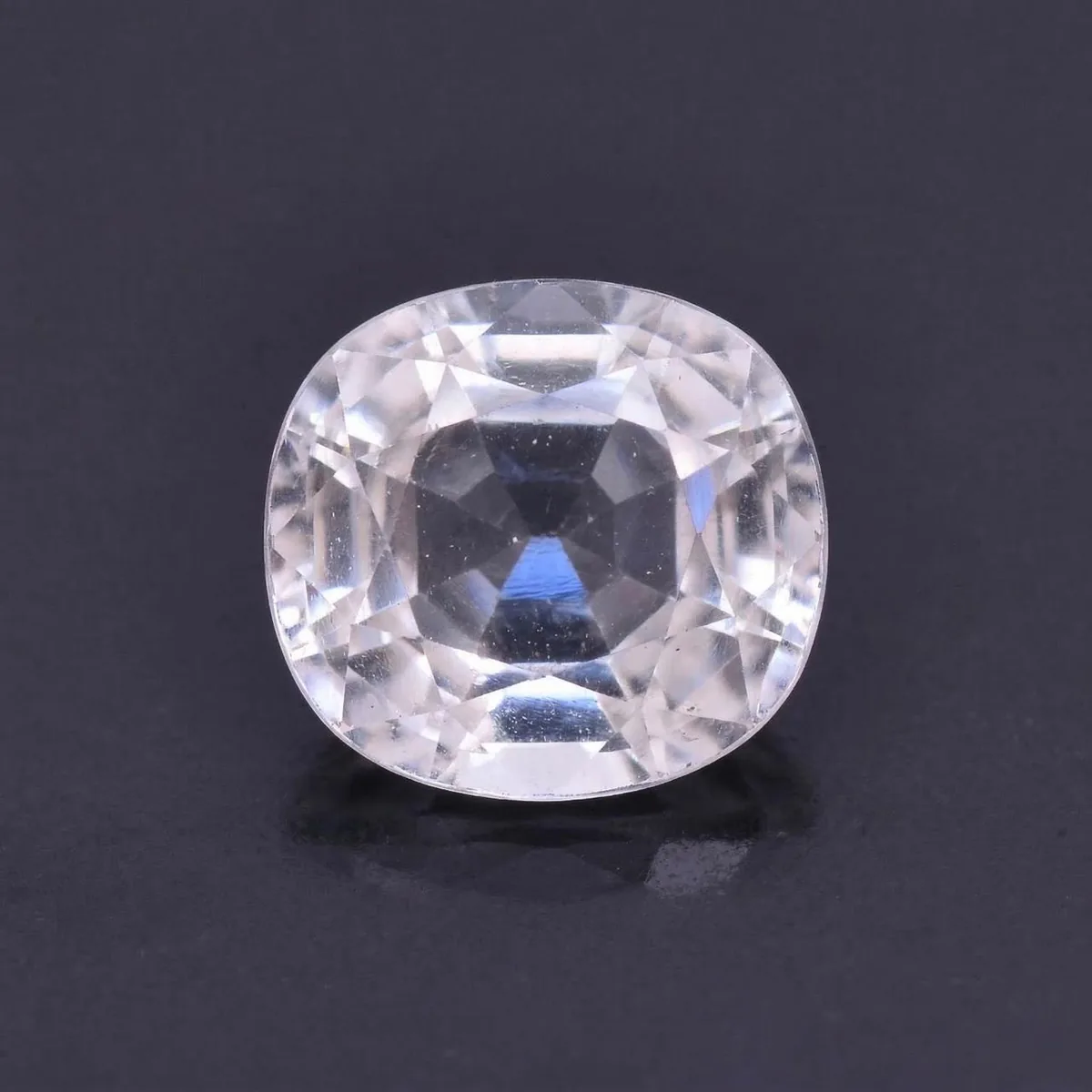
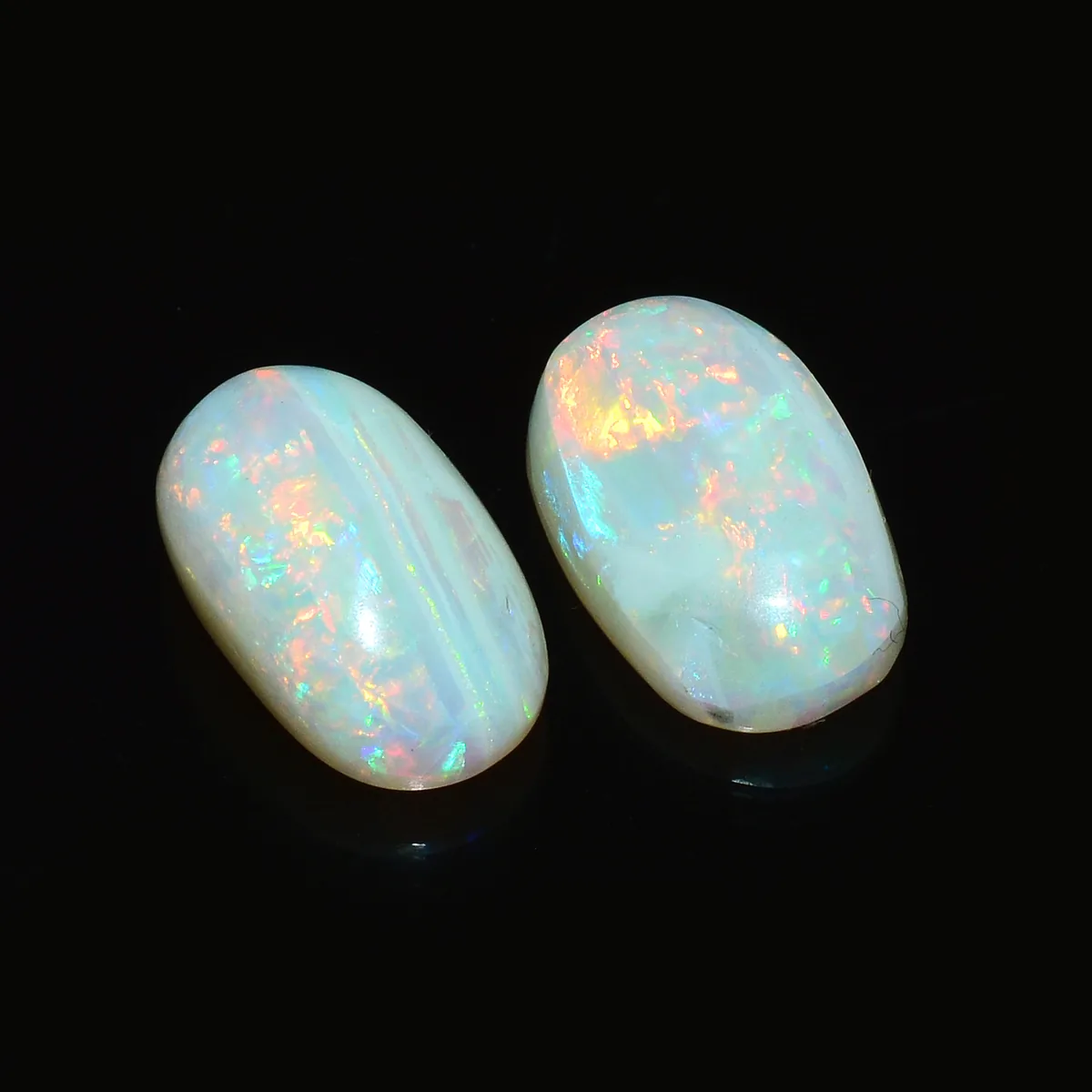
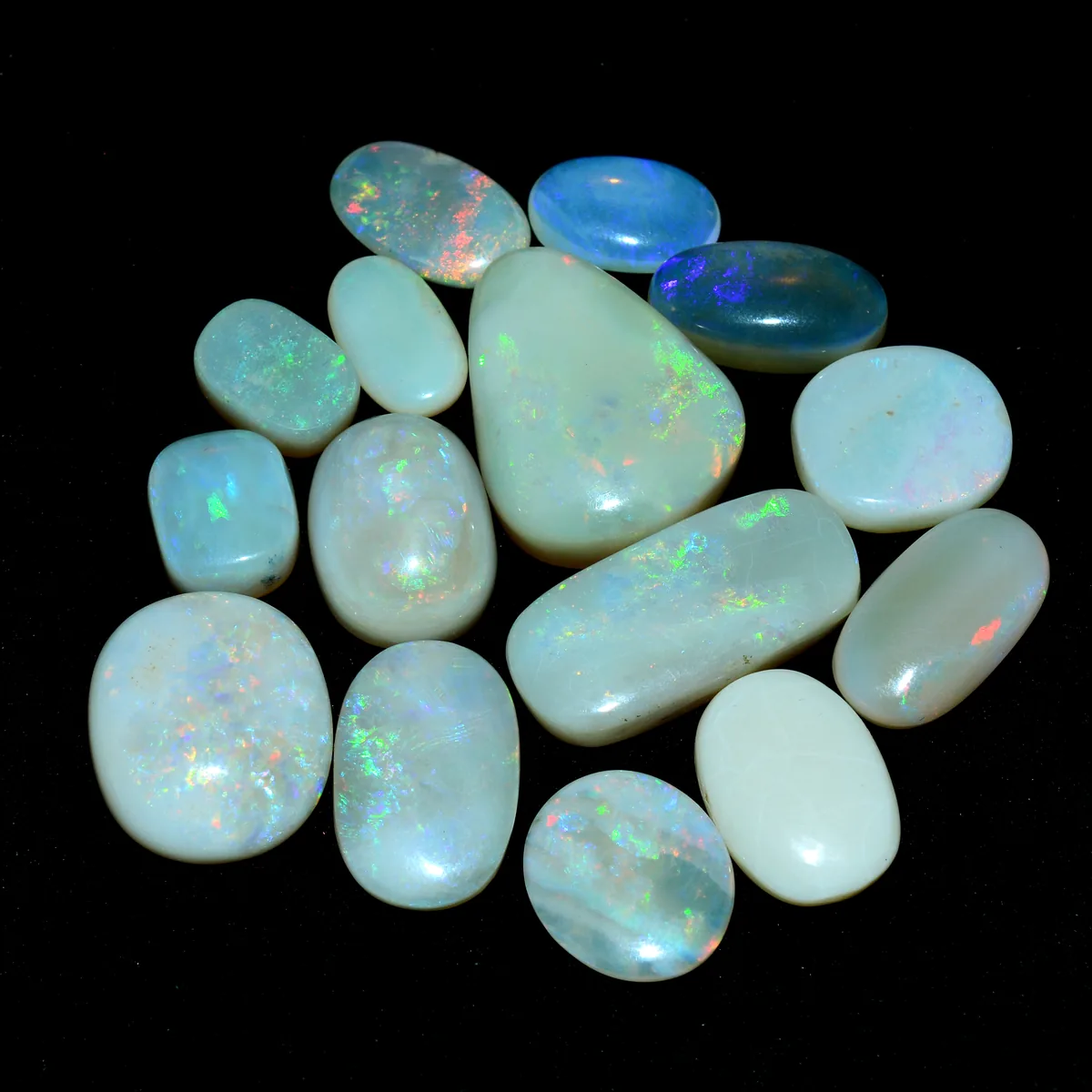
For a diamond, insist on a grading report from a recognised laboratory covering carat, colour, clarity and cut, and check the girdle inscription against the report number. If you are buying white sapphire or opal as a Venus stone, make sure the invoice and the certificate both name the actual material. A white sapphire billed as Heera is a red flag.
What diamond actually is
Diamond is crystalline carbon and the hardest natural material known, at 10 on the Mohs scale, though hardness is not what it is bought for. It is the only gemstone with a genuinely universal grading language, the four Cs, which is why two diamonds with matching grades are close to interchangeable in a way that two rubies never are. Its dispersion, the splitting of white light into spectral colours, is what produces the fire that no colourless substitute quite reproduces.
What gets sold as Heera instead
Heera is the one stone in the nine where substitution is traditional and openly accepted rather than fraudulent. A diamond of ritual size is expensive enough that Vedic practice has long permitted white sapphire and opal for the same planetary purpose, and white zircon and quartz crystal are also used. That acceptance is exactly why the market around it is careless: a stone sold as Heera may be any of these, and the word itself has stopped guaranteeing the material. Cubic zirconia and moissanite are simulants and belong to nobody’s tradition; both are more dispersive than diamond and throw obviously more rainbow. Laboratory grown diamond is a separate category again, being real diamond by every physical measure and a fraction of the price, undetectable without laboratory equipment, and legitimate only when it is disclosed. Whatever you buy, the invoice and the report should both name the actual material.
What to look for, and what to ask
Buy against a report from a recognised laboratory covering carat, colour, clarity and cut, and check the girdle inscription against the report number under magnification. Laboratory grown diamond is chemically and optically identical to mined diamond, costs a fraction of it, and is not detectable by eye or by a thermal probe, so the report is the only thing separating the two. Simulants are a separate category: cubic zirconia and moissanite are not diamond at all and both are more dispersive, throwing noticeably more rainbow than the real thing.
Weight, and what it costs in this stone
A prescribed weight in diamond is what sends most buyers to a substitute, and there is no dishonesty in that as long as everyone says what the stone is. The arithmetic is stark: reaching a ritual weight in white sapphire or opal costs a small fraction of reaching it in diamond, and both are stones we stock. If you do buy diamond, note that the trade prices in sharp steps at the round weights, so a stone just under a magic number costs meaningfully less than one just over it while looking identical.
Wear and care
Diamond resists scratching from everything except another diamond, but hardness and toughness are different properties and diamond has perfect cleavage in four directions. A sharp knock at the wrong angle will chip it, most often at an exposed girdle or a pointed corner. Warm soapy water and a soft brush, and check the setting for movement once a year.
As practised in Vedic tradition. Your astrologer’s instruction takes precedence over any general rule.