South Sea Pearl
23.64 ctsCultivated
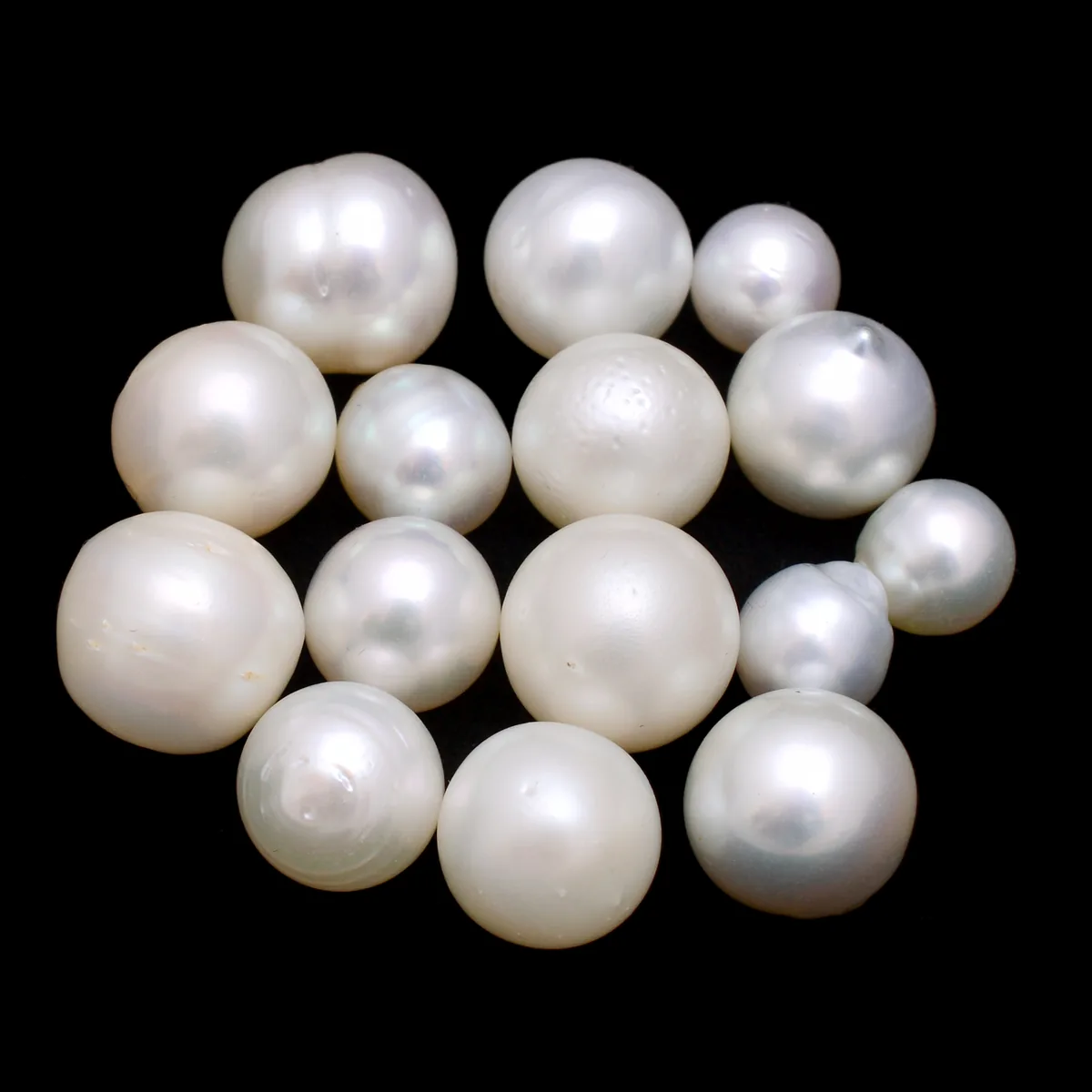
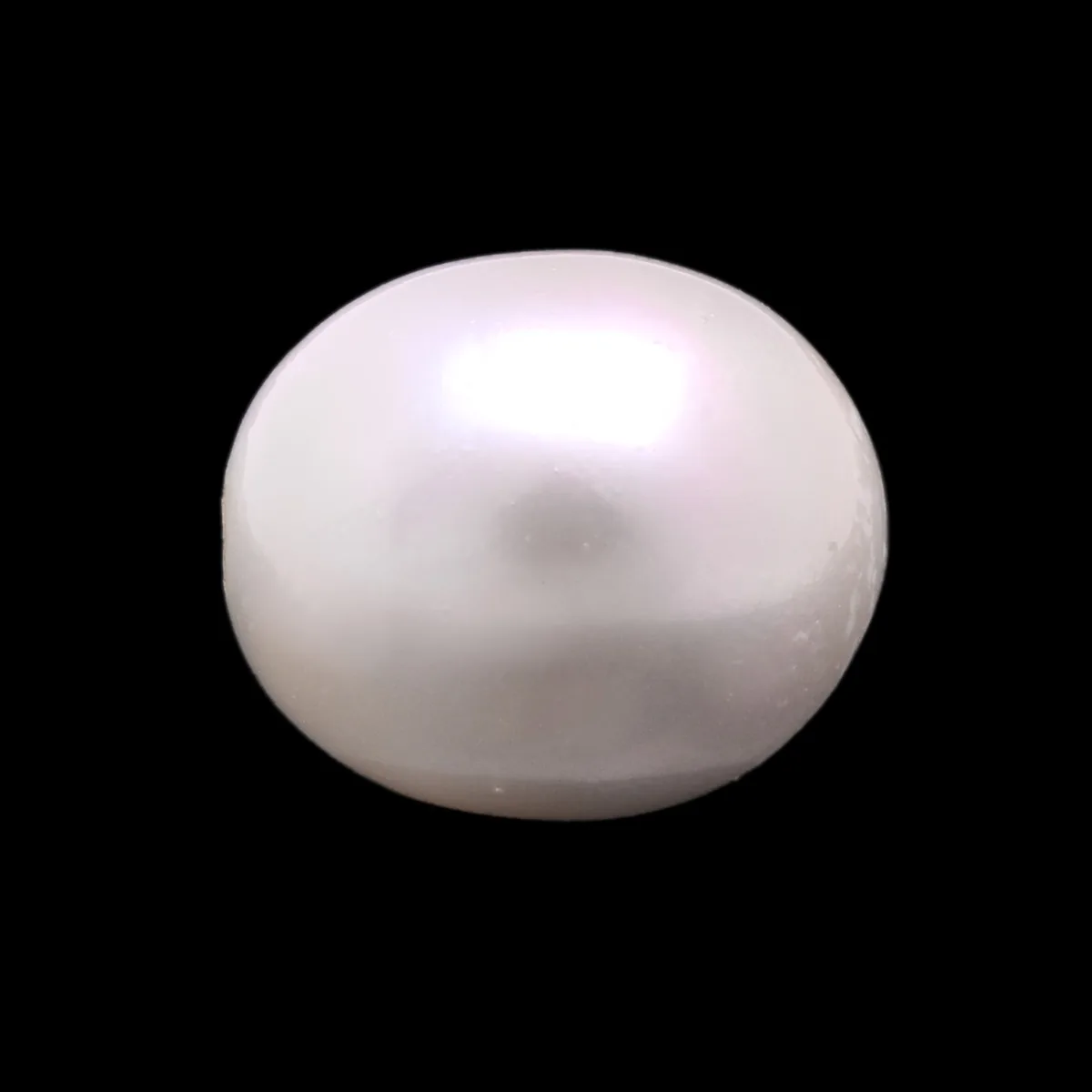
Enquire on WhatsAppA magnificent South Sea pearl with a thick nacre and exceptional mirror-like luster.
- Weight
- 23.64 cts
- Shape
- Spherical
- Origin
- South Seas
- Treatment
- Cultivated
Certification on request
Not yet submitted for a report. We will arrange IGI or IIGJ certification before purchase on request.
Buying this stone
Where it came from, what its weight band is for, and what to check before any money changes hands.
- The deposit
- South Sea pearls are grown by Pinctada maxima, the largest pearl oyster in commerce, across northern Australia, Indonesia and the Philippines. The silver-lipped variety produces white and silver pearls and the gold-lipped produces the golden ones. What separates this species from every other cultured pearl is time: a maxima pearl is left in the oyster for two years or more, against nine to twelve months for a typical akoya, and that time is deposited as nacre thickness, which is the single quality that determines whether a pearl still looks like this in thirty years.
- This stone
- At 23.64 carats this is a large single sphere, and pearls are the one item in the catalogue where carat weight is not how the trade actually talks. Pearls are traded by diameter in millimetres, and weight follows the cube of the diameter, so a small step up in millimetres is a large step up in carats and a much larger step up in price. A spherical pearl at this weight is also the hardest shape to produce, since the oyster is under no obligation to deposit nacre evenly and most pearls come out of it slightly off-round.
- Treatment
- Cultivated, stated plainly. Natural pearls formed without human intervention are effectively unobtainable at a sensible price, so essentially every pearl sold anywhere today is cultured, and a seller implying otherwise is the problem rather than the culturing. What is worth asking about instead is what has been done after harvest, since bleaching, dyeing and polishing with abrasive are all routine in the pearl trade and none of them improves nacre. Ask for nacre thickness rather than for a treatment list.
- The report
- No report is held for this 23.64 cts South Sea pearl stone yet, and we would rather say that than name a laboratory that has not seen it. We will submit it to IGI or IIGJ before purchase on request.
- Before you pay
- Hold it near a window and look for a sharp reflection of the frame in the surface. Fine nacre looks lit from within, not shiny on top.
- Look at the surface at a shallow angle for blistering or a dull chalky patch, both of which mean thin nacre over the bead.
- Turn it right round. Lustre that falls away on one side usually means the nacre is uneven.
- Read next
- Moti, the pearl covers the material itself and what gets sold in its place. How to buy a coloured stone covers pricing, treatment and reports.
Written by Kamal Kishore Agarwal, founder and gemmologist, Gem-A qualified, buying in Johari Bazaar since 2008.
Moti, the stone of Chandra
Worn for Cancer / Karka in the Navratna system. Which stone suits you is a question for your astrologer rather than for us; what we take responsibility for is that the stone is what the invoice says it is.
More on Moti